10 Best Gut Health Foods You Should Eat Every Day
Discover the 10 best foods for gut health backed by science. Learn which probiotics, prebiotics, and fermented foods boost digestion, immunity, and mood — plus easy ways to add them to your daily diet.
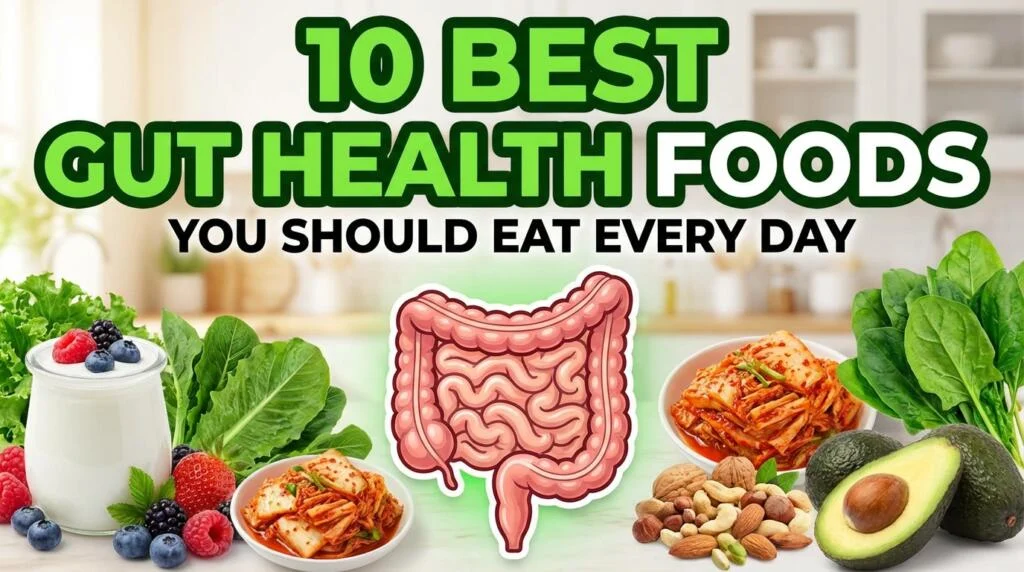
Why Gut Health Matters More Than You Think
Your gut is home to trillions of bacteria — collectively known as the gut microbiome — that influence everything from digestion and immunity to mental health and weight management. In fact, scientists often call the gut your “second brain” because it produces over 90% of your body’s serotonin, the “feel-good” hormone.
Poor gut health has been linked to chronic conditions including irritable bowel syndrome (IBS), obesity, type 2 diabetes, depression, autoimmune disorders, and even skin problems like acne and eczema. The good news? You can dramatically improve your gut health simply by eating the right foods every day.
In this comprehensive guide, we’ll walk you through the 10 best gut health foods backed by peer-reviewed science, explain exactly how they work, and show you easy ways to incorporate them into your daily meals — even if you’re a complete beginner.
Key Takeaway: A healthy gut microbiome requires a diverse population of beneficial bacteria. The best way to support this diversity is through a combination of probiotic foods (which add good bacteria) and prebiotic foods (which feed the good bacteria already there).
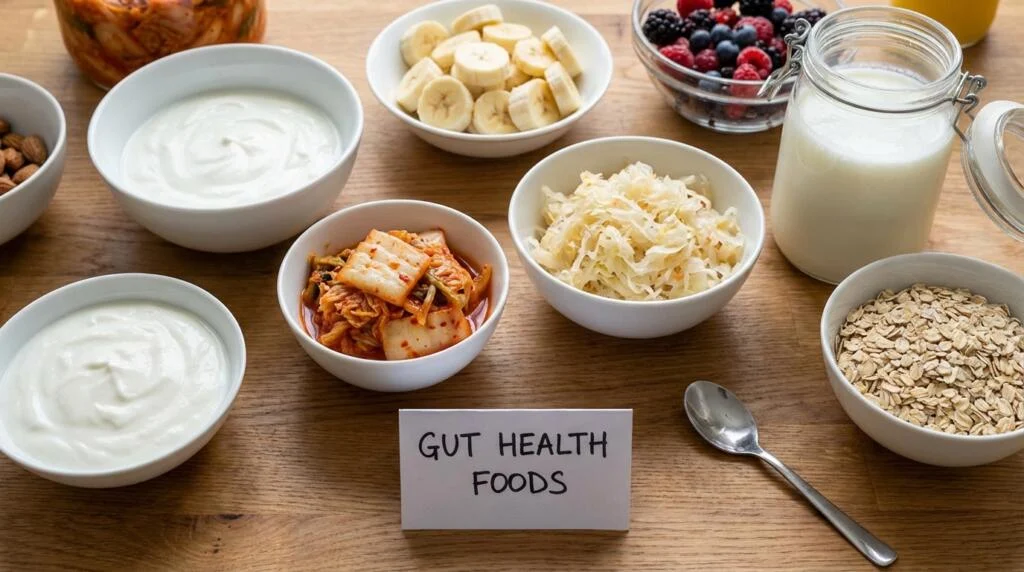
Understanding Probiotics vs. Prebiotics
Before diving into the food list, it’s important to understand the difference between these two essential categories:
| Feature | Probiotics | Prebiotics |
|---|---|---|
| What they are | Live beneficial bacteria | Non-digestible fibers that feed bacteria |
| What they do | Add good bacteria to your gut | Nourish existing good bacteria |
| Found in | Fermented foods (yogurt, kimchi, kefir) | High-fiber foods (garlic, onions, bananas) |
| How they work | Colonize the gut with healthy microbes | Act as “fertilizer” for beneficial microbes |
| Daily need | At least 1 serving of fermented food | 25-38 grams of fiber daily |
For optimal gut health, you need both probiotics and prebiotics working together. This combination is called a “synbiotic” effect — and it’s the foundation of a healthy microbiome.
1. Greek Yogurt — The Probiotic Powerhouse
Greek yogurt is one of the most accessible and effective gut health foods available. It contains live active cultures — primarily Lactobacillus bulgaricus and Streptococcus thermophilus — that help populate your gut with beneficial bacteria.
Why Greek Yogurt Is Superior to Regular Yogurt
- Double the protein: 15-20g per serving vs. 8-10g in regular yogurt
- Less sugar: The straining process removes excess lactose
- More concentrated probiotics: Thicker consistency means more bacteria per spoonful
- Better for lactose-intolerant people: Fermentation breaks down much of the lactose
How to Add It to Your Diet
- Mix with berries and granola for a quick breakfast parfait
- Use as a healthier substitute for sour cream in recipes
- Blend into smoothies for a creamy, protein-rich base
- Make overnight oats with yogurt instead of just milk
Pro tip: Always check the label for “live and active cultures.” Heat-treated yogurt has no probiotic benefit. Choose plain, unsweetened varieties and add your own fruit to avoid hidden sugars.

2. Kimchi — Korea’s Fermented Superfood
Kimchi is a traditional Korean side dish made from fermented vegetables — typically napa cabbage and radish — seasoned with chili flakes, garlic, ginger, and fish sauce. It’s one of the most probiotic-dense foods on the planet.
A 2023 study published in the Journal of Medicinal Food found that regular kimchi consumption was associated with reduced inflammation, improved cholesterol levels, and enhanced immune function. The fermentation process produces Lactobacillus kimchii, a bacteria strain unique to kimchi that has been shown to have potent anti-inflammatory properties.

Nutritional Breakdown (per 1 cup serving)
| Nutrient | Amount | % Daily Value |
|---|---|---|
| Calories | 23 | 1% |
| Fiber | 2.4g | 9% |
| Vitamin C | 18.2mg | 20% |
| Vitamin K | 55.4mcg | 46% |
| Probiotics | 1 billion+ CFU | — |
| Sodium | 747mg | 32% |
Easy Ways to Eat More Kimchi
- Add to fried rice, scrambled eggs, or ramen
- Use as a topping for tacos, burgers, or grain bowls
- Mix into stir-fries during the last minute of cooking
- Eat a small portion (2-3 tablespoons) as a side dish with any meal
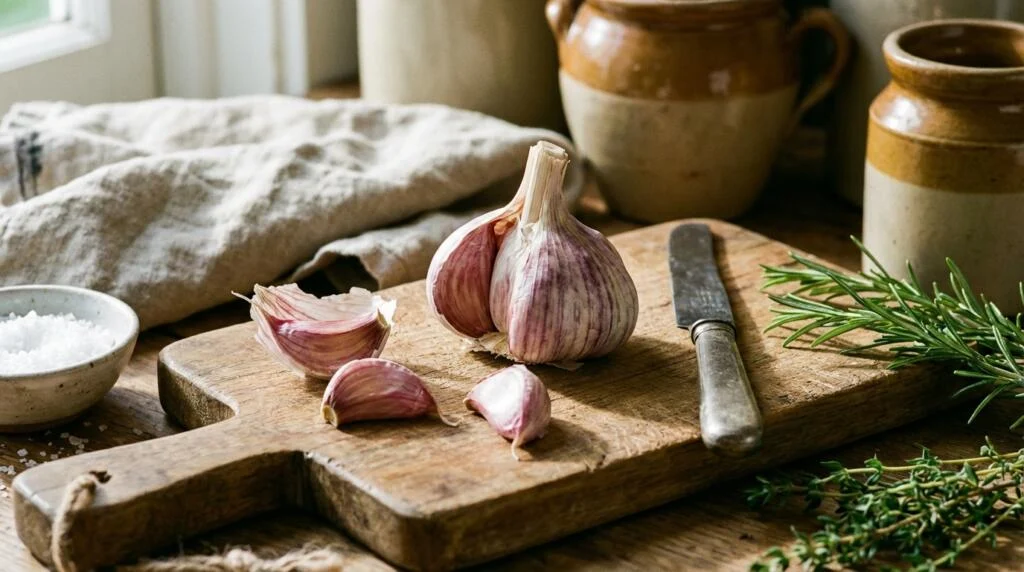
3. Garlic — The Prebiotic All-Star
Garlic is one of nature’s most powerful prebiotic foods. It contains inulin and fructooligosaccharides (FOS) — types of fiber that your body can’t digest but your gut bacteria absolutely love. When beneficial bacteria feast on these fibers, they produce short-chain fatty acids (SCFAs) that reduce inflammation, strengthen the gut lining, and even help regulate appetite.
Raw garlic is most effective because heat can destroy some of the prebiotic compounds. However, even cooked garlic provides significant benefits. Research from the Journal of Nutrition found that people who consumed garlic regularly had significantly more diverse gut microbiomes compared to those who didn’t.
The “Crush and Wait” Method
For maximum benefit, crush or chop garlic and let it sit for 10 minutes before cooking. This activates allicin, garlic’s most potent health compound, which remains stable even after moderate heating.
4. Bananas — Nature’s Prebiotic Snack
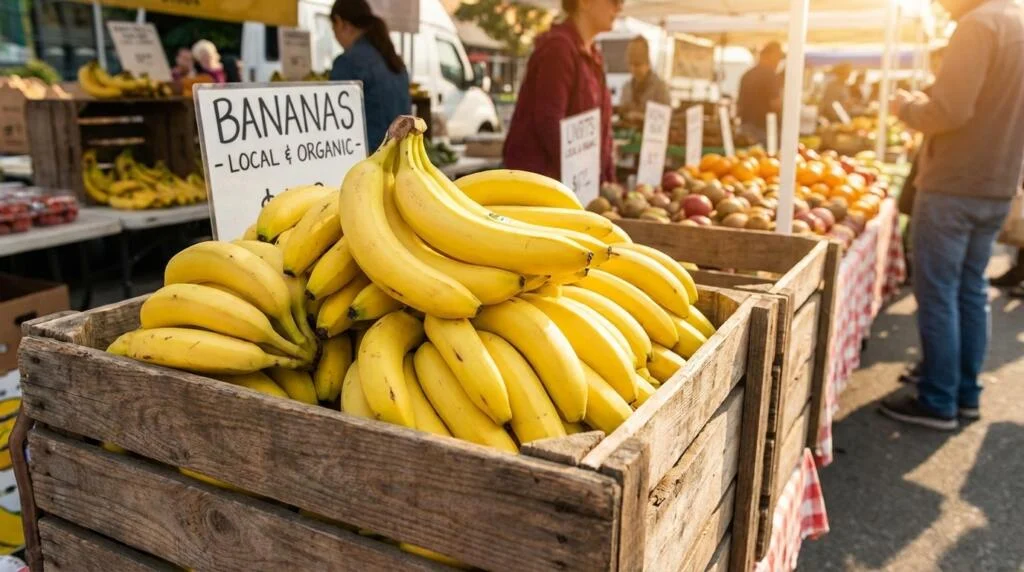
Bananas — especially slightly green (unripe) ones — are excellent sources of resistant starch, a type of prebiotic fiber that passes through your digestive system intact and feeds beneficial gut bacteria in the colon. As bananas ripen, the resistant starch converts to sugar, so greener bananas are better for gut health while ripe bananas are better for quick energy.
- Green bananas: High in resistant starch — ideal for gut health
- Yellow bananas: Moderate resistant starch — good for overall nutrition
- Brown bananas: Low in resistant starch, high in sugar — best for baking
5. Kefir — Yogurt’s More Powerful Cousin
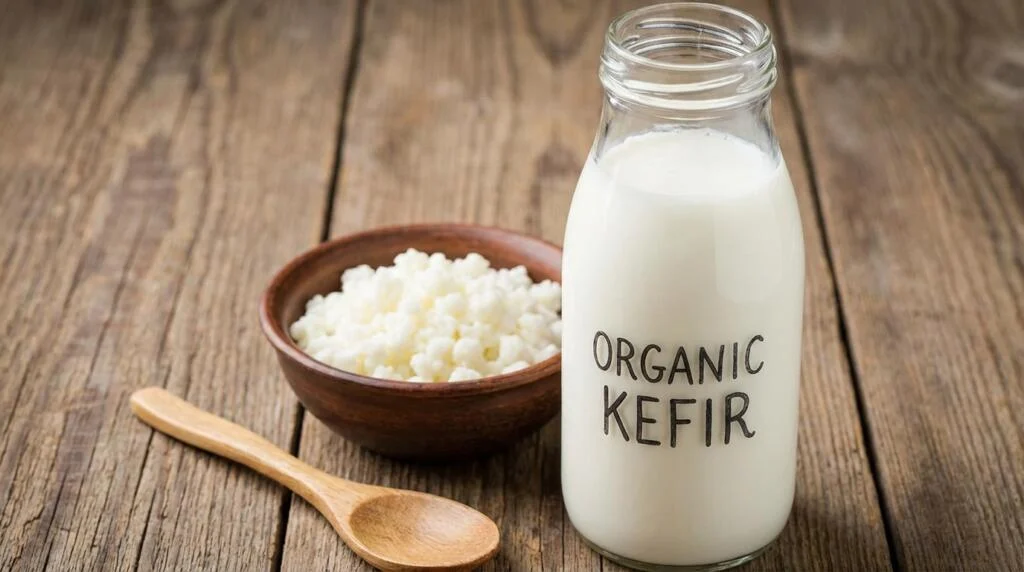
Kefir is a fermented milk drink that contains up to 61 different strains of bacteria and yeasts — making it one of the most diverse probiotic sources available. For comparison, most yogurts contain only 2-5 strains. This bacterial diversity is crucial because different strains perform different functions in your gut.
Kefir is also better tolerated by lactose-intolerant individuals because the fermentation process breaks down virtually all of the lactose. Studies have shown that regular kefir consumption can reduce bloating, improve lactose digestion, and even help with weight management.
Kefir vs. Yogurt Comparison
| Feature | Kefir | Yogurt |
|---|---|---|
| Probiotic strains | Up to 61 | 2-5 |
| Texture | Drinkable liquid | Thick, spoonable |
| Lactose content | Very low | Low to moderate |
| Fermentation time | 24 hours | 4-8 hours |
| Versatility | Drink, smoothies, dressings | Bowls, cooking, baking |
6. Sauerkraut — The Original Fermented Vegetable
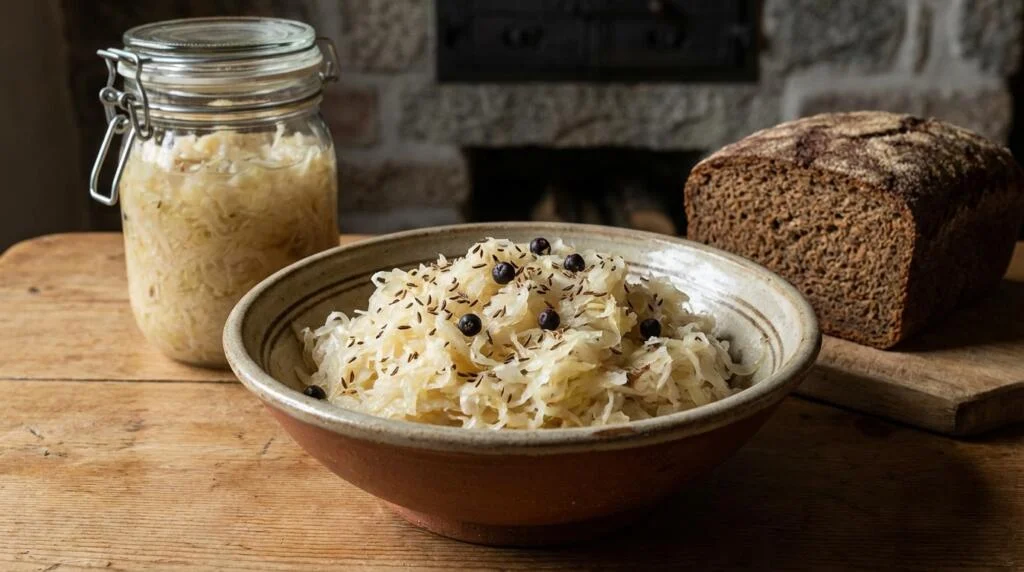
Sauerkraut is simply fermented cabbage — one of the oldest preservation methods in human history — and it’s a gut health goldmine. Just two tablespoons of raw, unpasteurized sauerkraut can contain up to 1 billion colony-forming units (CFU) of probiotics.
Important: Store-bought sauerkraut that has been pasteurized (heat-treated) contains zero probiotics. Look for sauerkraut in the refrigerated section with labels that say “raw,” “unpasteurized,” or “contains live cultures.” Better yet, make it at home with just cabbage and salt — it’s incredibly easy and costs pennies.
7. Oats — The Fiber Champion
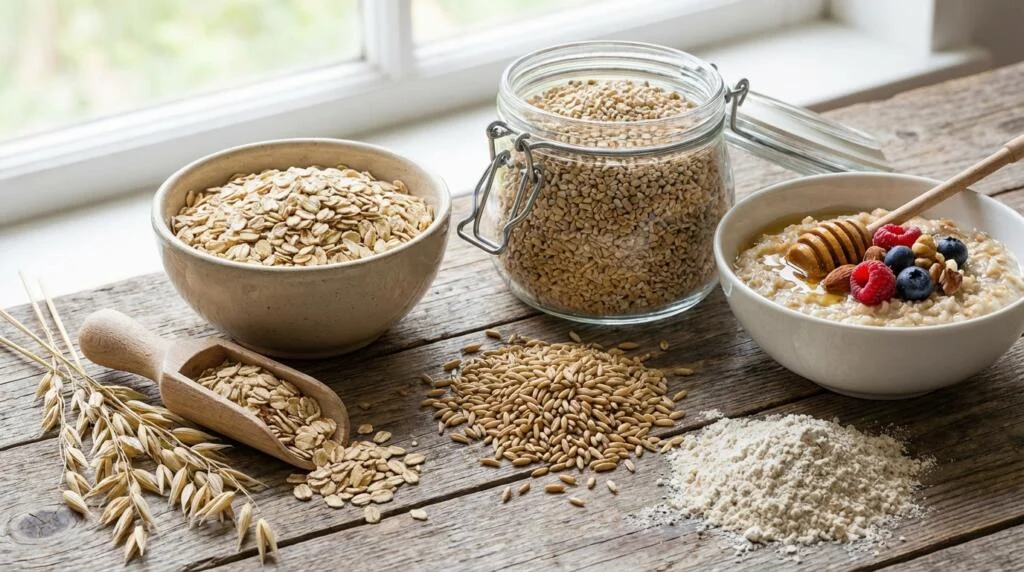
Oats contain a unique type of soluble fiber called beta-glucan that acts as a powerful prebiotic. Beta-glucan forms a gel-like substance in your gut that slows digestion, feeds beneficial bacteria, and has been shown to significantly reduce cholesterol levels. Just one cup of cooked oatmeal provides about 4 grams of fiber — and the prebiotic effects are amplified when oats are consumed cold (as in overnight oats).
Research published in the British Journal of Nutrition found that consuming oats for just 2 weeks increased the population of Bifidobacteria — one of the most beneficial gut bacteria strains — by 25%.
8. Bone Broth — The Gut Lining Healer
Bone broth is rich in collagen, gelatin, glutamine, and glycine — amino acids that help repair and strengthen the intestinal lining. This is particularly important for people with “leaky gut syndrome,” where the intestinal barrier becomes permeable, allowing toxins and partially digested food to enter the bloodstream.
How Bone Broth Heals the Gut
- Gelatin attracts and holds water, improving the mucus lining of the gut
- Glutamine is the primary fuel source for intestinal cells and promotes gut wall repair
- Glycine stimulates stomach acid production for better digestion
- Collagen peptides reduce intestinal inflammation
For best results, sip on 1 cup of bone broth daily, either on its own or as a base for soups, stews, and cooking grains.

9. Almonds — The Crunchy Prebiotic
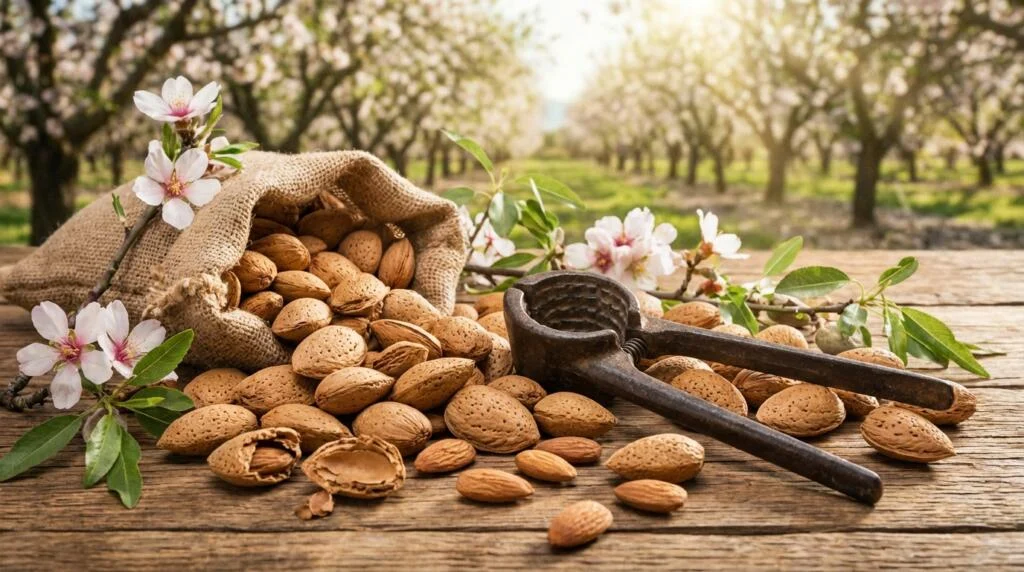
Almonds are surprisingly good for gut health. Their skins contain prebiotic fibers and polyphenols that increase the growth of Bifidobacterium and Lactobacillus bacteria. A 2022 study from King’s College London found that eating a handful of almonds daily significantly improved gut microbiome composition and increased the production of butyrate — a short-chain fatty acid that reduces inflammation and nourishes colon cells.
Eat almonds with their skins on for maximum prebiotic benefit. A daily handful (about 23 almonds or 1 ounce) is the optimal serving for gut health benefits.
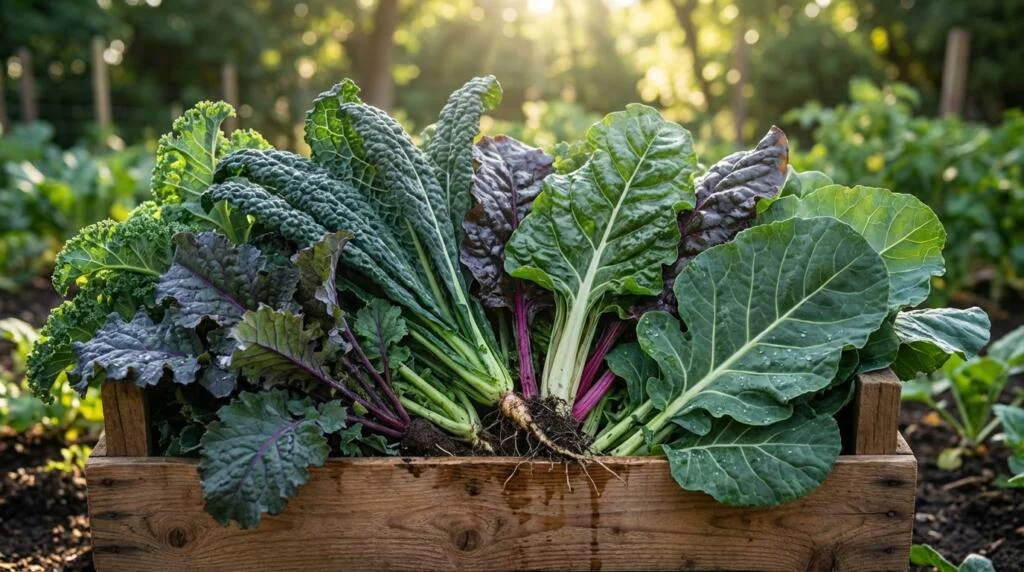
10. Dark Leafy Greens — The Microbiome Fuel
Spinach, kale, Swiss chard, and other dark leafy greens contain a unique sugar molecule called sulfoquinovose (SQ) that serves as a fuel source specifically for beneficial gut bacteria. Research from the University of Melbourne discovered that SQ is the only sugar molecule in nature that contains sulfur, and it feeds a specific group of protective bacteria that create a barrier against harmful microbes.
Dark leafy greens also provide an abundance of fiber, vitamins, minerals, and antioxidants that support overall gut function. Aim for at least 2 cups of leafy greens daily — raw in salads, blended in smoothies, or lightly sautéed as a side dish.
Your 7-Day Gut Health Meal Plan
Here’s a simple weekly plan to incorporate all 10 gut health foods into your daily routine:
| Day | Breakfast | Lunch | Dinner | Snack |
|---|---|---|---|---|
| Monday | Greek yogurt with banana and granola | Spinach salad with almonds | Garlic chicken stir-fry with kimchi | Kefir smoothie |
| Tuesday | Overnight oats with berries | Bone broth soup with vegetables | Salmon with sauerkraut and greens | Banana with almond butter |
| Wednesday | Kefir parfait with nuts | Grain bowl with kimchi and greens | Garlic butter pasta with spinach | Almonds and dark chocolate |
| Thursday | Oatmeal with banana and chia | Greek yogurt with cucumber and garlic dip | Bone broth ramen with vegetables | Kefir with honey |
| Friday | Smoothie with kefir, banana, spinach | Sauerkraut and turkey sandwich | Garlic shrimp with kale salad | Greek yogurt with almonds |
| Saturday | Greek yogurt pancakes | Kimchi fried rice with greens | Bone broth stew with root vegetables | Banana and oat energy bites |
| Sunday | Oats with kefir and berries | Garlic hummus wrap with greens | Salmon with garlic, almonds, sauerkraut | Dark chocolate and almonds |
Common Gut Health Mistakes to Avoid
- Taking probiotics with hot beverages — Heat kills beneficial bacteria. Take probiotic supplements or eat fermented foods separately from hot drinks.
- Eating too much sugar — Sugar feeds harmful bacteria and yeast, disrupting the microbiome balance.
- Overusing antibiotics — While sometimes necessary, antibiotics destroy both good and bad bacteria. Always replenish with probiotics after a course of antibiotics.
- Not eating enough fiber — Most Americans eat only 15g of fiber daily, far below the recommended 25-38g. Without fiber, beneficial bacteria starve.
- Ignoring stress — Chronic stress alters gut bacteria composition through the gut-brain axis. Practice stress management alongside dietary changes.
Frequently Asked Questions
How long does it take to improve gut health?
Most people notice improvements in digestion and energy within 2-4 weeks of consistent dietary changes. However, fully reshaping your gut microbiome takes approximately 6-12 months of sustained healthy eating. Even small changes — like adding one fermented food per day — can produce measurable improvements in gut bacteria diversity within 72 hours.
Can you take too many probiotics?
While it’s difficult to overdose on probiotics from food sources, extremely high doses from supplements can cause temporary bloating, gas, and digestive discomfort. Start slowly — begin with one serving of fermented food per day and gradually increase. Most experts recommend getting probiotics from food rather than supplements whenever possible.
Are probiotic supplements as effective as fermented foods?
Fermented foods are generally superior because they provide a wider variety of bacterial strains along with additional nutrients, fiber, and vitamins that supplements lack. Supplements can be useful as an addition, but they should not replace fermented foods in your diet. Think of supplements as the backup plan, not the main strategy.
What foods are bad for gut health?
The worst foods for gut health include highly processed foods, artificial sweeteners (especially sucralose and aspartame), excessive alcohol, refined sugars, and fried foods. These foods promote the growth of harmful bacteria while starving beneficial ones. Ultra-processed foods have been shown to reduce microbiome diversity by up to 40%.
Is apple cider vinegar good for gut health?
Raw, unfiltered apple cider vinegar with “the mother” contains some beneficial bacteria and acetic acid, which may support digestion. However, its probiotic content is relatively low compared to foods like kimchi or kefir. It can be a helpful addition to your gut health routine but should not be relied upon as your primary probiotic source.
The Bottom Line
Improving your gut health doesn’t require expensive supplements or drastic dietary overhauls. By consistently incorporating these 10 science-backed foods — Greek yogurt, kimchi, garlic, bananas, kefir, sauerkraut, oats, bone broth, almonds, and dark leafy greens — you can build a thriving gut microbiome that supports better digestion, stronger immunity, improved mood, and even healthier skin.
Start small: pick 2-3 foods from this list and add them to your daily routine this week. Use our 7-day meal plan as a guide. Your gut — and your entire body — will thank you.



Reader reviews
No reviews yet. If you have made this article, you will be the first to say how it went.
Did you make this?
Tell us how it actually went — including if something did not work. Reviews are read before they are published.